
TEC Next 2026: What We Saw, What It Means, and Why It Matters
📸 See 2026 event photos here.
If you walked away from TEC Next this year feeling like the ground is shifting under your feet, you weren’t alone — and that was kind of the point.
The conference pulled together members, contractors, tech vendors, academics, and subject matter experts from across the technology spectrum, all wrestling with the same basic question: how do you keep up when the pace of change keeps accelerating?
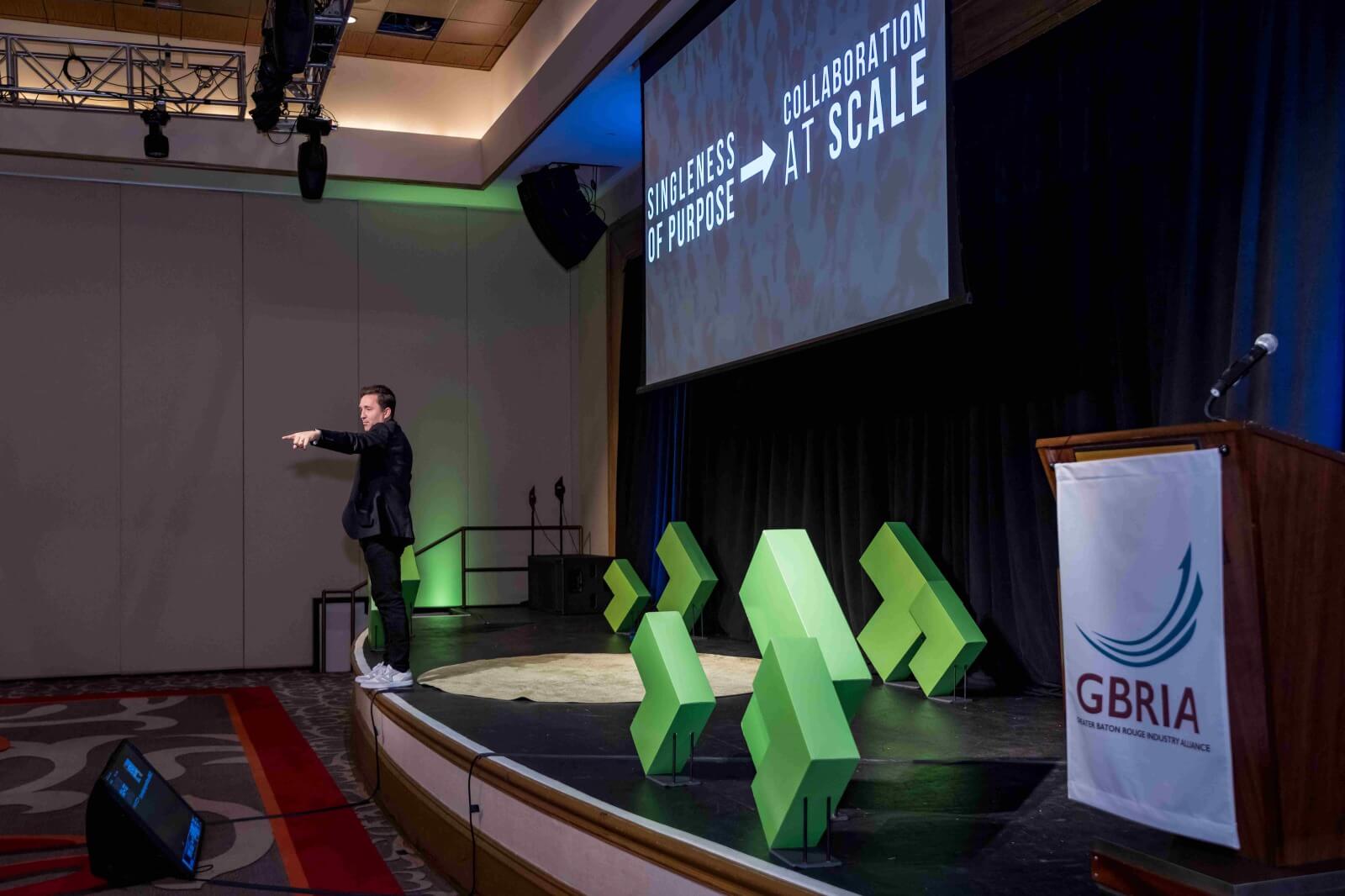
The answer that kept surfacing, session after session, wasn’t really about any specific technology. It was about alignment. Keynote speaker Frankie Russo named it directly, calling out what he called the “stagnation spiral,” where the pressure to change triggers fear, which triggers retreat, which leaves you further behind than when you started. His point was blunt: more than 72% of workers are already using AI on the job without formal approval. The tools are already in the building. The question is whether your organization is going to take the lead or find out about it later.
From there, the conversation turned to what’s actually happening on the ground across the region.
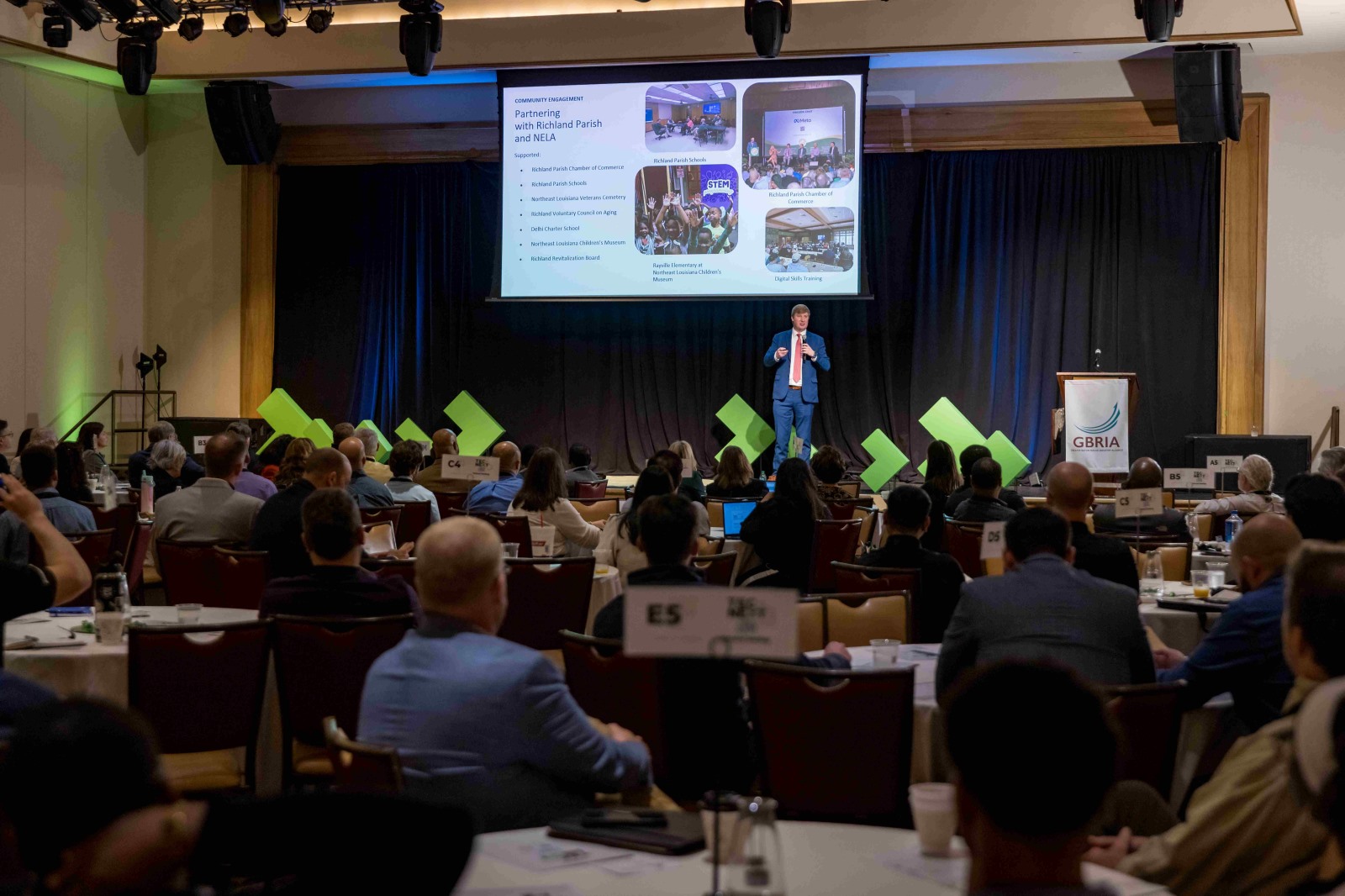
Henry Thornton from Meta walked through what is, by any measure, a remarkable story: a $10 billion-plus data center investment in Richland Parish, Meta’s largest infrastructure investment ever. Four thousand workers on site right now. Over $875 million contracted to Louisiana businesses. For anyone skeptical about whether the Gulf Coast can compete for the biggest projects in the country, that’s a pretty clear answer.
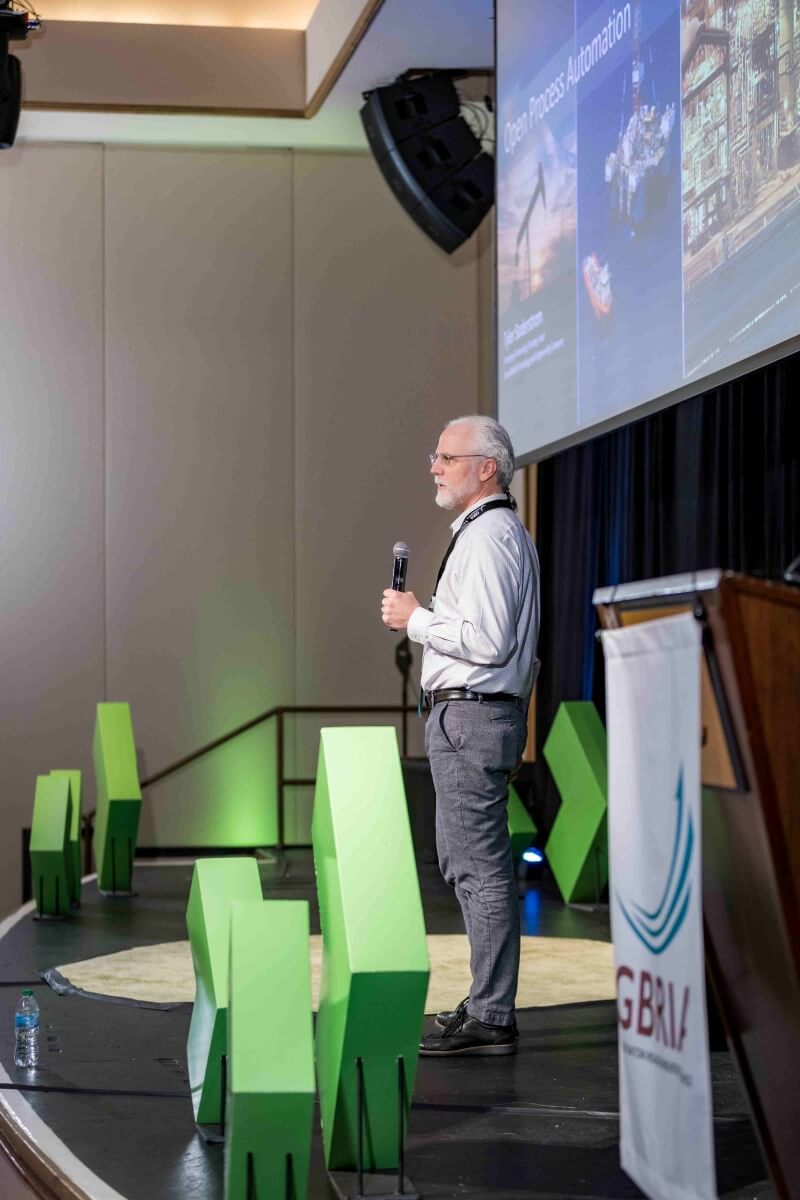
ExxonMobil’s Tyler Soderstrom made the case that open process automation has crossed from “interesting pilot” to “ready to deploy.” ExxonMobil has completed lighthouse and pilot projects and moved OPA into live operations, demonstrating stability, flexibility, and cybersecurity along the way — including a partnership with Anchorage Chemical Terminal right here in Baton Rouge. For plants and contractors, the practical benefits come down to lower integration costs, easier vendor interchangeability, and freedom from proprietary systems. For local system integrators, it opens doors.
The swarm drone work from Westlake and LSU showed what’s possible when you push the technology without losing sight of the budget. The capabilities on display went well beyond basic aerial inspection, with multi-drone swarms identifying leaks, cracks, loose bolts, PPE compliance issues, and structural misalignment across large pipe racks with minimal human exposure. The training behind it involved millions of virtual simulations, and the decision support layer uses large language models to help operators act on what the drones find. Faster inspections, lower cost, and better safety are pillars of any well-run facility.
Turner Industries shared an honest, unglamorous account of what it actually takes to roll out digital tablets in field operations. Paul Plauche didn’t sugarcoat the challenges: intrinsically safe hardware requirements, network and connectivity gaps, AI expectations that didn’t always match real-world data, and the constant risk of piling duplicate data entry onto frontline workers rather than reducing it. The lesson wasn’t that the tools don’t work. Technology simplifies field work only when you pair it with strong human engagement and get the fundamentals right first. When Turner did that, the safety improvements were real and measurable.
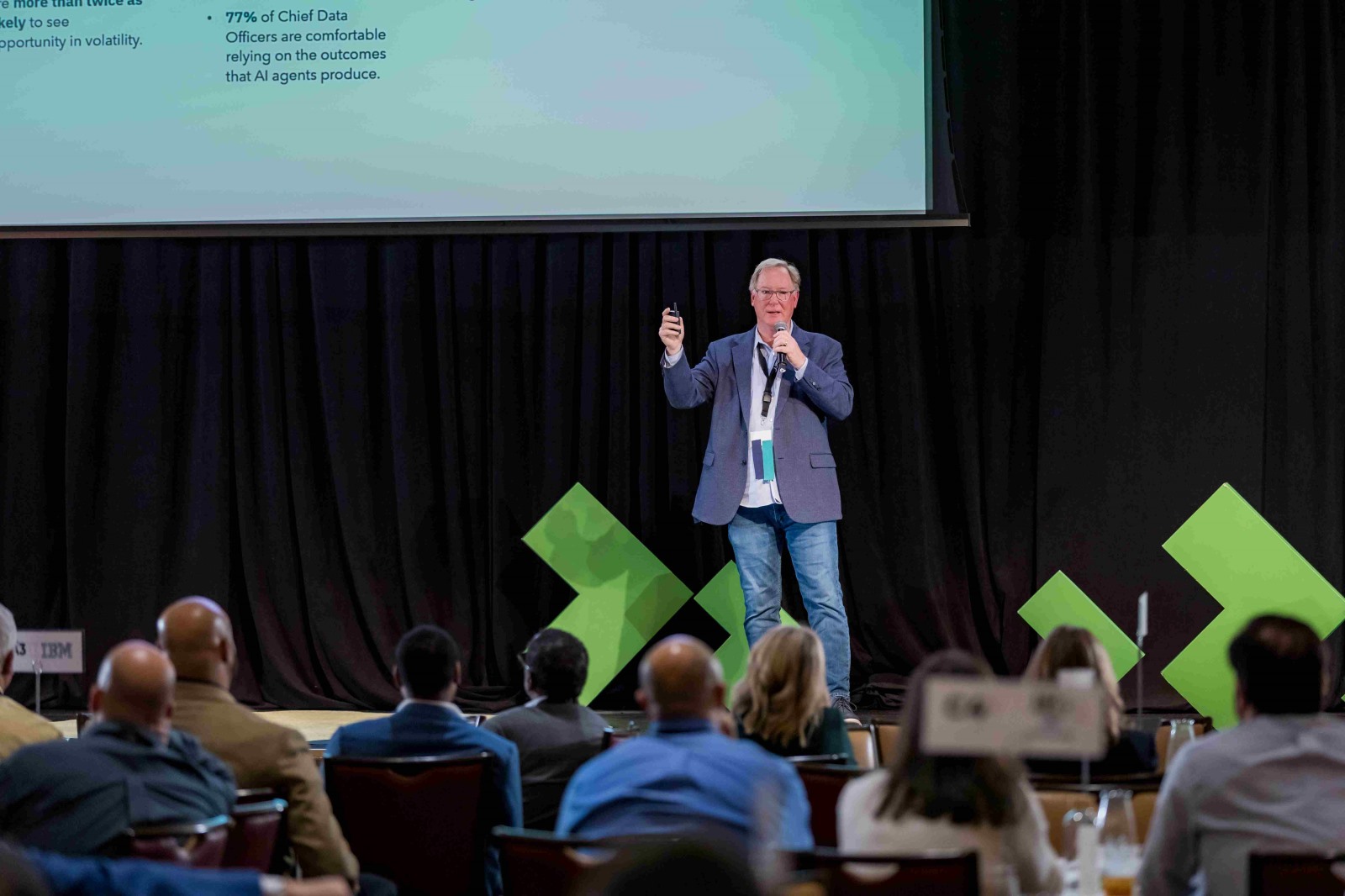
IBM closed things out with a broader lens, arguing that the next wave isn’t just AI but agentic AI — systems that don’t just answer questions but take action. Whether that excites or unnerves you probably says something about where your organization is right now.
Louisiana isn’t behind on this. The facilities are here, the workforce is here, the investment is coming. What TEC Next keeps demonstrating is that the region moves faster when plants and contractors learn together rather than separately — and that showed up in every session, in the real projects people described, and in the conversations in the hallway afterward.