
Thirty Years of Measuring What Matters: GBRIA's 2026 Safety Excellence Awards
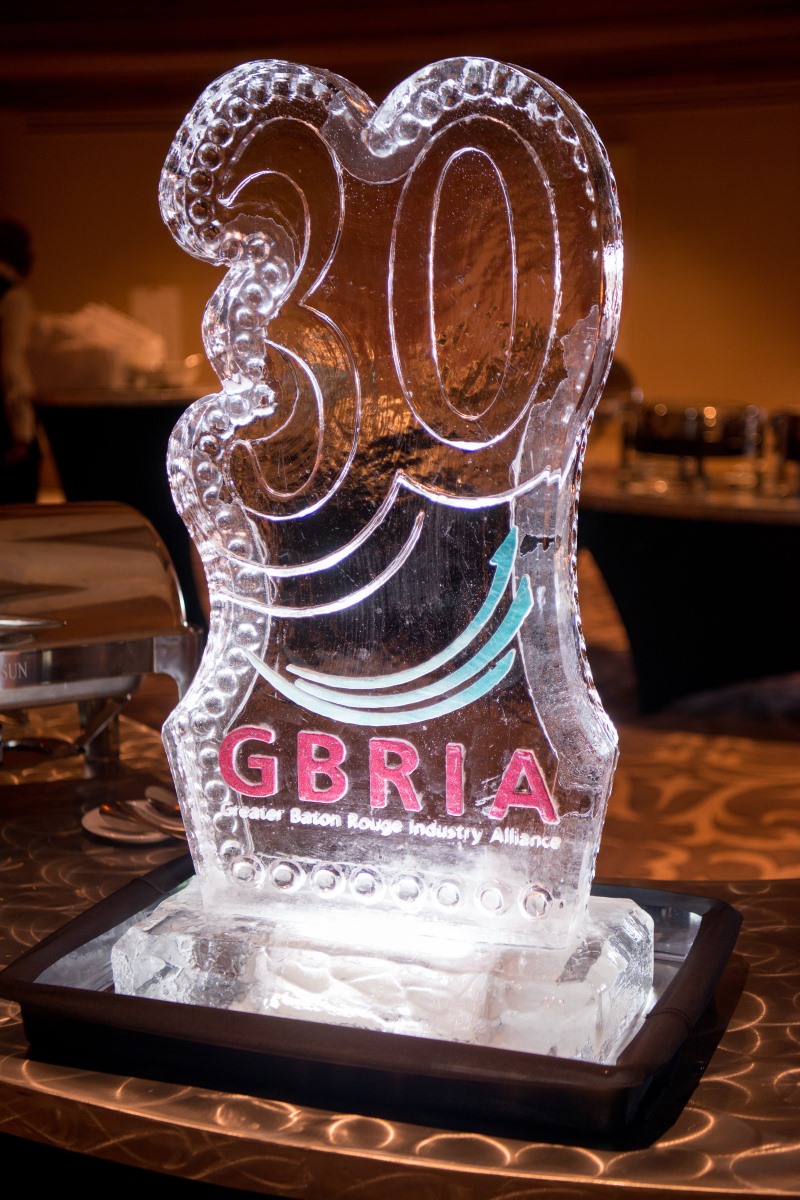
The GBRIA Safety Excellence Awards program is, at its core, an exercise in exploration. Yes, the scores and placements matter, but the deeper purpose of the program is to ask contractors to think carefully through their safety processes and then articulate them. That act of articulation is in itself, valuable. A company that can describe its incident investigation process clearly, explain how front-line workers are engaged in safety decisions, and demonstrate how lessons learned travel from one job site to the next allows them to consider whether they are doing all they can, or where gaps may exist.
As anyone in our industry knows, safety excellence does not happen by accident. It is both top-down and grass-roots up, driven by leadership that sets visible expectations and sustained by workers and supervisors who own the culture on the ground. Now in its 30th year, GBRIA's program exists to reward organizations making that intentional effort and to offer a roadmap for those earlier in the journey.
The 2026 cohort, comprising 42 nominated contractor firms representing approximately 208 million hours worked across the industrial corridor and beyond, continued that tradition and by several measures, raised the bar. Average overall application scores improved by nearly 5% compared to the prior year, the share of applicants in the top scoring tier grew, and three of the four scored application sections, Commitment, Training and Development, and Learning Organization, all improved year over year. The average OSHA recordable rate among full applicants was 0.21. As one GBRIA board member likes to point out, when you consider what constitutes an OSHA recordable incident, that rate compares favorably to almost any environment you can name, including your own home.
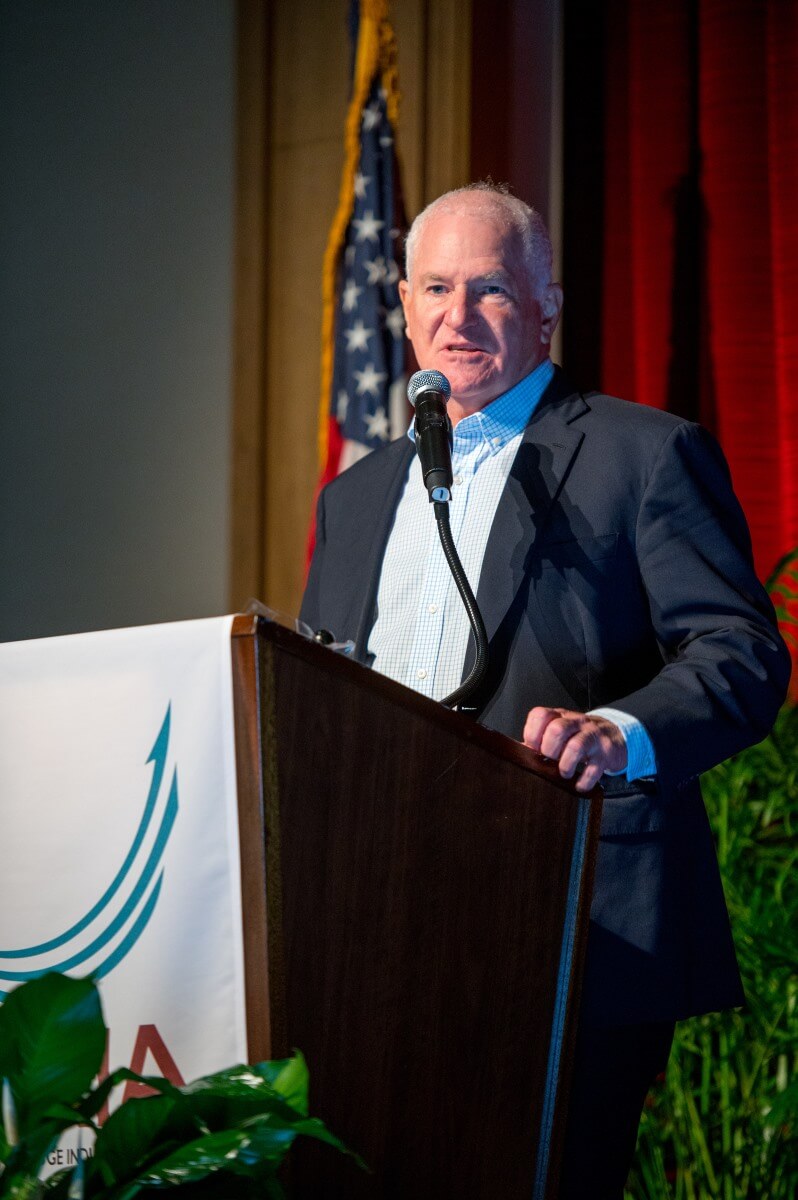
These are incremental gains, and that is exactly the point. After 30 years, this program is measuring inches, not miles. The contractors participating at this level are not making dramatic course corrections. They are refining programs that are already mature, closing small gaps, and sustaining performance that the broader industry would consider exemplary.
The data also points toward where our work remains. External best practice adoption and continuous process improvement are the areas where opportunities to improve exist for the second consecutive year, suggesting that even strong safety programs tend to look inward more than outward. The use of leading indicators improved more than any other single question from 2025 to 2026, but still sits below the program average, indicating a practice that is growing, but not yet fully embedded. And struck-by and caught-in events were reported as precursor occurrences by 44% of applicants, consistent with state-wide patterns and a continued call for focused attention on physical work zone controls and line-of-fire awareness.
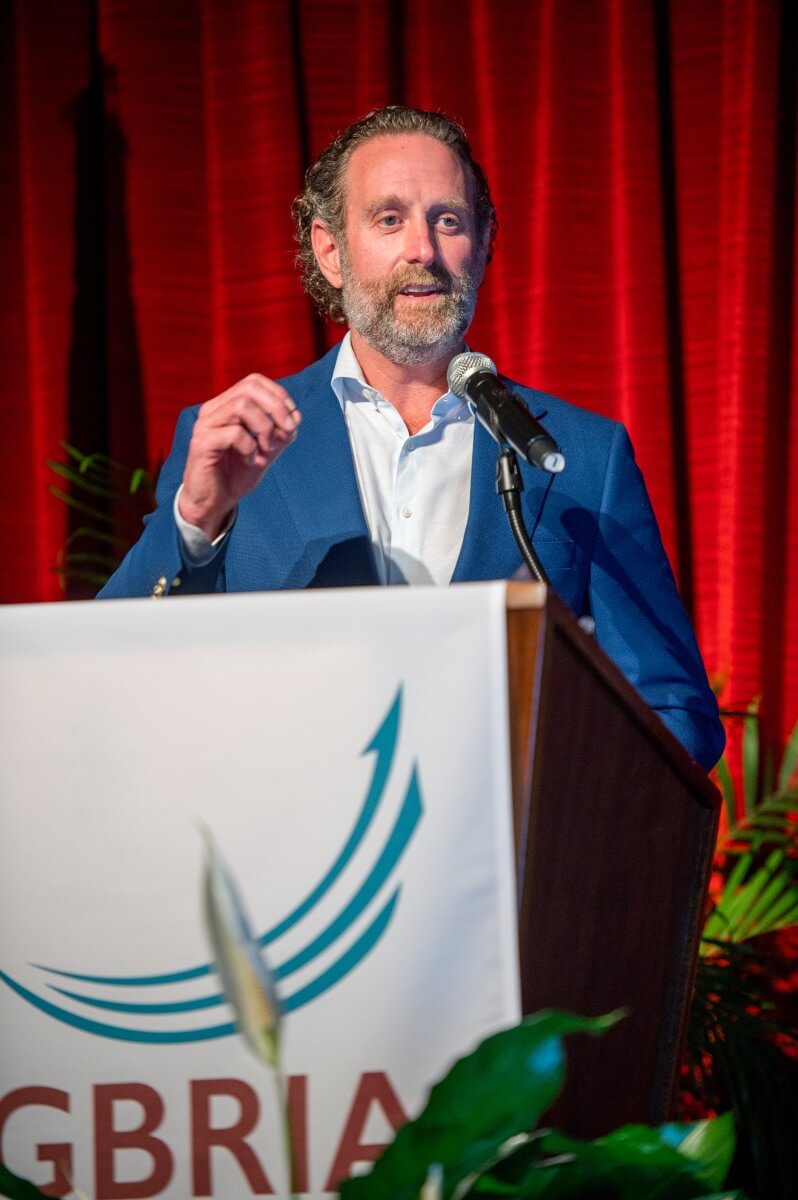
This year's Hal G. Ginn Award, recognizing the best overall safety performance, went to both Loadstar (pictured top) and MMR Constructors (pictured bottom), who represent what the top of this program looks like after three decades of raising expectations. GBRIA congratulates all 2026 award recipients and thanks the 30 nominating member sites, 22 volunteer judges, and every contractor firm that chose to participate in this program's 30th year.
As a member driven program, GBRIA welcomes any plant personnel interested in shaping the direction of this program and others managed by our Safety, Health, and Security Committee. Interested members may contact Brandon Smith for more information.